
India, known for its rich history, cultural diversity, and geographical variety, is a spectacular choice for a honeymoon destination. Its distinct geographical regions, each with unique offerings, make it an ideal place to celebrate the start of a new life together. From the majestic peaks of the Himalayas to the serene backwaters of Kerala, the vibrant bazaars of Rajasthan to the tranquil beaches of Goa, India offers a plethora of experiences for every kind of couple.
For those captivated by natural beauty, India's landscapes are breathtakingly diverse. The paradise-like islands of Andaman and Nicobar, with their pristine beaches and turquoise waters, provide an idyllic setting for romance and relaxation. Hill stations like Shimla, Manali, and Darjeeling offer stunning mountain views, tranquil walks amidst lush greenery, and the opportunity to enjoy a cozy, fireside dinner. Kerala's backwaters, with their network of lakes, lagoons, and canals, offer a unique experience - a leisurely cruise on a private houseboat, surrounded by lush, tropical greenery, is the epitome of romance.
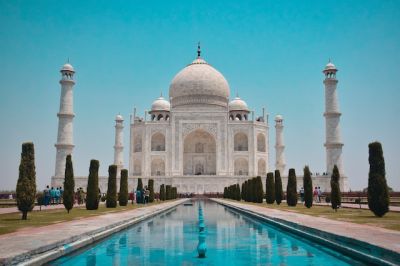
History and culture enthusiasts will find India equally enchanting. Rajasthan's grand forts and palaces tell tales of royal romance and valour, offering a peek into the country's rich history. A visit to Agra is a must for its iconic monument of love, the Taj Mahal, a sight that leaves visitors awe-struck. The architectural splendor of Udaipur, with its enchanting palaces and serene lakes, exudes romance and elegance.
For couples seeking relaxation and rejuvenation, India's wellness retreats offer a perfect blend of luxury and tranquility. Nestled in serene locations, these retreats offer traditional Ayurvedic therapies and yoga sessions that can provide a rejuvenating experience.
Indian cuisine, known for its incredible diversity and flavor, is another highlight. Each region boasts its own culinary specialties, providing a gastronomic journey across the country. From sampling street food in bustling markets to enjoying gourmet meals in luxury hotels, the food experience in India is both varied and vibrant.
The warmth and hospitality of the Indian people add a special touch to the honeymoon experience. Whether it's the hotel staff going the extra mile to ensure your comfort or locals helping you navigate their city, Indian hospitality is sure to make you feel welcomed and cherished.
Places to visit on honeymoon in India
Kerala: Often referred to as "God's Own Country," Kerala offers serene backwaters, lush landscapes, and delicious cuisine. You can book a private houseboat in Alleppey for a unique and romantic experience.
Goa: Famous for its beautiful beaches and vibrant nightlife, Goa is a popular honeymoon destination. Enjoy water sports, dine at beachside shacks, and explore Portuguese-influenced architecture.
Udaipur: Known as the "City of Lakes," Udaipur offers a royal experience with its palaces and forts. Take a boat ride on Lake Pichola and dine at the lakeside restaurants.
Andaman and Nicobar Islands: These islands offer pristine beaches and crystal clear waters. Scuba diving and snorkeling are popular activities here.
Rajasthan: Known for its grand forts and palaces, Rajasthan offers a glimpse into India's royal past. Cities like Jaipur, Jodhpur, and Jaisalmer are worth exploring. Don't miss out on a desert safari and a romantic dinner under the stars.
Agra: Home to the iconic Taj Mahal, this city is a must-visit. Witnessing the sunrise or sunset at the Taj Mahal is an unforgettable experience.
Shimla and Manali: If you prefer mountains, these hill stations in Himachal Pradesh offer beautiful landscapes and a cool climate. They are perfect for hiking, exploring local culture, and enjoying cozy moments by the fireplace.
Darjeeling: Known for its sprawling tea gardens, Darjeeling offers panoramic views of the Himalayas. Take a romantic ride on the Darjeeling Himalayan Railway, a UNESCO World Heritage site.
Srinagar: The summer capital of Jammu and Kashmir, Srinagar is famous for its beautiful gardens, lakes, and houseboats. A shikara ride on Dal Lake is highly recommended.
Leh-Ladakh: If adventure is what you seek, a road trip to Leh-Ladakh is a great option. The breathtaking landscapes and serene monasteries offer a unique experience.
How much does a honeymoon in India cost?
The cost of a honeymoon in India can vary greatly depending on factors like the destinations you choose, the duration of your stay, the type of accommodation, the time of year, and the activities you plan to do.
- Accommodation: Luxury hotels and resorts in popular tourist destinations can range from $150 to $500 per night, while mid-range hotels could cost between $30 to $100. Budget accommodations like guest houses or hostels can be as low as $10 to $30.
- Food: Again, this varies widely. A meal at a high-end restaurant can cost between $15 to $30 per person, whereas local restaurants might charge between $2 to $10. Street food is even cheaper and is a great way to sample local cuisine.
- Transportation: Domestic flights can range from $40 to $150 one-way depending on the distance and how far in advance you book. Trains are cheaper but take longer. For local transportation, taxis, auto-rickshaws, and ride-hailing services like Uber are available. Prices vary by city and distance.
- Activities: Entry fees to most historical sites range from $5 to $15. Other activities, like boat rides, wildlife safaris, or guided tours, can vary widely in cost from $10 to $100 or more depending on the experience.
- Shopping: India is known for its textiles, handicrafts, jewelry, and spices. The cost will depend on what you buy and where you buy it. Remember that bargaining is common in many markets.
As a rough estimate, a mid-range honeymoon in India might cost around $100 to $200 per day per couple, including accommodation, meals, transportation, and activities. However, a luxury honeymoon could easily cost $500 or more per day. These are rough estimates and actual costs can be higher or lower.
It's always a good idea to plan and budget your trip in advance, and consider using the services of a reputable travel agency to help organize your honeymoon. They can often provide package deals that might save you time and money.
Indian food to try on your honeymoon
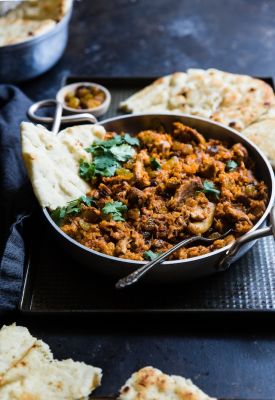
Indian cuisine is as diverse as the country itself, with each region boasting its own unique flavors and dishes. Here are some must-try foods during your honeymoon in India:
- Biryani: This aromatic rice dish cooked with spices and meat (like chicken, mutton, or fish) is a culinary delight. Hyderabad, Kolkata, and Lucknow are famous for their unique styles of biryani.
- Masala Dosa: A South Indian specialty, masala dosa is a crispy crepe made from fermented rice and lentil batter, filled with a mildly spiced potato filling. It's usually served with coconut chutney and sambar (a lentil-based vegetable stew).
- Butter Chicken: A popular North Indian dish, butter chicken (or murgh makhani) is a creamy, mildly-spiced curry made with tandoori chicken pieces simmered in a tomato-based sauce.
- Rogan Josh: A staple of Kashmiri cuisine, rogan josh is a flavorful lamb curry with a unique blend of spices.
- Chole Bhature: A popular Punjabi dish, it comprises spicy chickpea curry served with deep-fried bread called bhature.
- Pani Puri: This popular street food consists of hollow, crispy puri filled with a mixture of flavored water, tamarind chutney, chili, chaat masala, potato, onion, and chickpeas.
- Idli and Sambar: A South Indian staple, idli are steamed rice cakes served with sambar and chutney.
- Rajasthani Thali: A thali is a platter served with various dishes. Rajasthani thali typically includes dal (lentil curry), baati (hard wheat bread), churma (sweet crushed baati), gatte ki sabzi (gram flour dumplings in gravy), and more.
- Goan Fish Curry: Goa is known for its seafood. The fish curry, made with coconut and a blend of spices, is a must-try.
- Desserts: Don't forget to try desserts like gulab jamun (milk-solid-based sweet), jalebi (deep-fried sweet in spiral shape), rasmalai (sweetened milk with cheese cakes), and kheer (rice pudding).
Remember that Indian food can be spicy, so let the chef know your preference. Also, while street food is delicious, ensure it's from a clean, reputable source to avoid any potential health issues. Enjoy your culinary journey through India!
What are the must-see cultural attractions while on honeymoon in India?
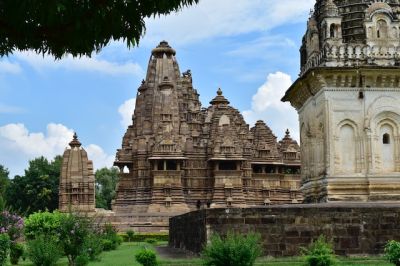
India, with its vast cultural and historical richness, offers a myriad of attractions for couples on their honeymoon. Here are some must-see cultural attractions in India:
- Taj Mahal, Agra: This iconic symbol of love, built by Emperor Shah Jahan for his wife Mumtaz Mahal, is a UNESCO World Heritage Site. Its white marble architecture and intricate carvings are a testament to the craftsmanship of the era.
- Amber Fort, Jaipur: Located in Rajasthan's capital city, this grand fort offers stunning views and rich history. Don't miss the beautiful Sheesh Mahal (Mirror Palace) inside the fort.
- City Palace, Udaipur: Known for its blend of Rajasthani and Mughal architectural styles, the City Palace offers panoramic views of the city and Lake Pichola.
- Khajuraho Temples, Madhya Pradesh: These temples, also a UNESCO World Heritage Site, are famous for their intricate and erotic carvings. They represent a celebration of love, life, and joy.
- Ajanta and Ellora Caves, Maharashtra: These rock-cut cave monuments feature Buddhist, Jain, and Hindu sculptures and paintings, and are considered masterpieces of Buddhist religious art.
- Varanasi Ghats, Varanasi: Varanasi is one of the oldest living cities in the world. The ghats (steps leading down to the river) of Varanasi are a spiritual experience. The Ganga aarti in the evening is a spectacle not to be missed.
- Mysore Palace, Mysore: An epitome of opulence, the Mysore Palace is one of the most magnificent buildings in India. The palace is especially stunning during the Dasara festival, when it's illuminated with thousands of bulbs.
- Konark Sun Temple, Odisha: Shaped like a giant chariot, this 13th-century temple is an architectural marvel and is listed as a UNESCO World Heritage site.
- Jaisalmer Fort, Jaisalmer: Known as the Golden Fort, it's one of the very few "living forts" in the world, with nearly one-fourth of the old city's population still residing within its walls.
- Mahabalipuram, Tamil Nadu: The group of monuments at Mahabalipuram is a collection of 7th- and 8th-century religious monuments by the Pallava dynasty and is recognized as a UNESCO World Heritage Site.
These cultural landmarks offer a glimpse into India's rich and diverse history and heritage. Remember to respect local customs and restrictions while visiting these places.
India's rich tapestry of experiences makes it a fantastic honeymoon destination. Its unique blend of natural beauty, historical grandeur, cultural richness, and culinary diversity, coupled with its warm hospitality, offers newlyweds the chance to create unforgettable memories as they embark on their journey of marital bliss.
